


Managing deadwood in Tongits GameZone often comes down to timing. A hand packed with unpaired cards can create urgency to discard fast, yet aggressive “cleaning” can damage a hand that still has clear paths to form melds. Better results can come from weighing each card’s point risk against the likelihood that it still completes a set or run, using visible information—especially the discard pile—to guide each decision.
Quick Guide: Reducing Deadwood While Keeping Meld Options
A practical approach can involve spotting isolated cards, confirming whether key connectors have already shown up in discards, and comparing each partial meld’s remaining “outs” against its deadwood cost. Weak builds can leave the hand once their completion chances shrink, while stronger partials can stay intact even if they temporarily raise deadwood. A turn-by-turn reassessment can keep the plan aligned with new information.
1) Hand Sorting: Separating Real Combos From False Promises
Tongits generally uses two meld types:
- Sets: same rank (example: three 9s)
- Runs: consecutive cards in one suit (example: 6♣-7♣-8♣)
Deadwood refers to cards outside completed melds. Efficient planning can start with a quick hand classification:
- Completed melds – cards already locked into sets or runs
- Potential melds – pairs, two-card sequences, or flexible shapes that can still grow
- Isolated cards – cards with minimal connection to anything else
Isolated cards can become early discard targets, though not every high-point card automatically belongs in the discard pile. A face card may be expensive as deadwood, yet it can be worth holding if it anchors a live set or supports multiple run possibilities. At the same time, a low-point card can become the best discard if it lacks real connections.
Evaluation can shift away from “looks promising” and toward “still has workable outs.” A suited two-card sequence can appear strong, yet its value can drop sharply after its needed neighboring ranks show up in the discards.
2) Discard Pile Awareness: Checking if a Meld Path Still Lives
The discard pile can function like a public scoreboard showing which cards have already left circulation. While opponents’ hands stay hidden, discarded cards can reveal when a run attempt loses the exact ranks needed to finish.
An example hand can illustrate this logic: two 9s, plus 6♣ and 7♣, plus unrelated cards. If 5♣ and 8♣ already appear in the discard pile, the immediate run completions around 6♣-7♣ become far less likely. The run still has longer routes in theory, yet the cleanest connectors have already been removed.
Meanwhile, the pair of 9s can still point to a higher probability set completion if no other 9s have shown. With unseen copies potentially remaining, the pair can represent more realistic improvement than a weakened suited sequence.
This kind of comparison encourages counting true improvers rather than trusting patterns that only look good on the surface.
3) A Working Decision Model: Cost, Outs, and Opponent Risk
Discard planning in Tongits GameZone can revolve around balancing three forces:
- Deadwood cost (points carried while waiting)
- Remaining outs (cards that can complete the meld)
- Opponent value (chance of feeding an opponent’s build)
Different situations can call for different priorities:
- Isolated card with no clear role
Earlier discard consideration, especially if the card adds avoidable points - Pair with multiple completion routes
Holding value, particularly when matching ranks have not appeared in discards - Run attempt with key connectors already discarded
Viability check, since another turn of waiting can cost more than it returns - Opponent pickup signaling a direction
More caution with related discards, without assuming full certainty about their hand - Late-round congestion
Preference for realistic upgrades over low-odds projects that inflate deadwood
Guidelines can support consistency, while the final call can still depend on the hand’s shape, the scoring pressure, and the table’s discard history.
4) Avoiding the Sunk-Cost Trap in Tongits
A common mistake can come from protecting a weak partial meld simply because several turns have already been spent waiting for it. When discard pile evidence shows key connectors already gone, continued commitment can become the true deadwood problem.
A reset mindset can help: evaluating the current hand as if it just arrived. Useful questions can include:
- Which exact cards can still complete the meld?
- How many points get carried by waiting?
- Which discard unlocks cleaner combinations elsewhere?
Attachment to an old plan can fade when the hand is treated as new information rather than a continuing investment.
5) Strategy Shifts Across Early, Mid, and Late Rounds
Deadwood control can change with the pace of the round:
- Early phase
More flexibility for building, more room to hold reasonable partials, faster identification of isolated cards - Mid phase
Increased value of discard tracking, stronger pruning of runs that lose connectors, closer reading of opponent pickups - Late phase
Tighter deadwood limits, fewer “maybe” projects, greater urgency to avoid carrying heavy points while opponents approach finish conditions
This structure can apply to players learning Tongits fundamentals and to those playing Tongits Plus on GameZone, while still requiring attention to version-specific rules.
6) Pre-Discard Checklist for Tongits GameZone
A short review before every discard can reduce impulsive decisions:
- Completed meld or realistic potential meld?
- Needed connectors already visible in discards?
- Another combination stronger given current information?
- Discard likely to help an opponent based on their pickups?
- Enough new visible info to abandon the original plan?
A quick checklist can keep decisions grounded in evidence instead of pressure.
7) GameZone Access Reminders and Responsible Play
For players in the Philippines, verifying official access channels can matter before registration or app use. PAGCOR’s published list of accredited gaming system administrators and registered brands/domains (dated January 29, 2026) includes Total Gamezone Xtreme Incorporated and references gamezone.ph and gzone.ph, with re-checking recommended because listings can change.
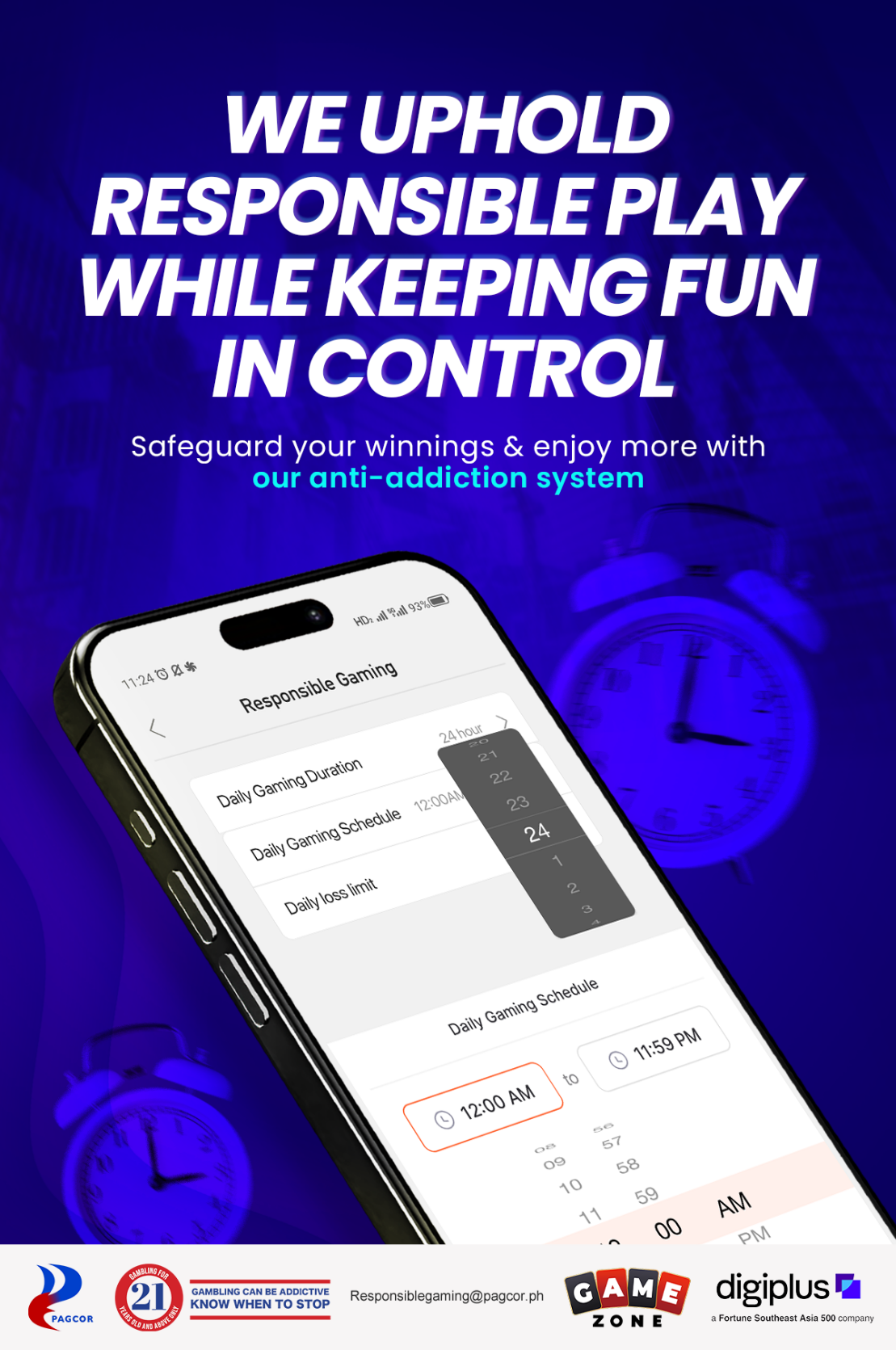
Eligibility guidance can include 21+ based on platform terms. Safer access can come through official sources, avoiding unofficial downloads and lookalike pages. PAGCOR responsible gaming guidance can emphasize time limits, spending limits, avoiding borrowed money, and avoiding loss-chasing so gameplay stays within entertainment boundaries.
Frequently Asked Questions
Should high-value cards always leave first?
Discard value can depend on meld potential; a high-point card can remain worth keeping if it supports a live set or run path.
Does Tongits Plus follow offline Tongits exactly?
Core concepts can overlap, while interface and rule handling can vary by version, making an in-game rule check important.
Can deadwood reduction guarantee a win?
Improved deadwood decisions can strengthen play quality, while outcomes can still depend on draws, opponents’ hidden hands, and round rules.